Top HVAC Budgeting Strategies for DC Property Managers
Jason Goldsberry
May 15 2026 13:00
Managing HVAC costs in the Washington, DC area presents unique challenges due to strict energy standards, aging building stock, and the region’s dramatic seasonal temperature swings. For property managers, HVAC isn’t just a line item—it’s one of the largest and most unpredictable operational expenses. Effective budgeting can dramatically reduce emergency repair costs, extend equipment lifespan, and help properties stay compliant with DC’s energy and environmental regulations.
At Advantage Service Group, we work closely with DC property managers to build HVAC budgets that support long-term planning rather than reactive spending. This guide breaks down the most important strategies for forecasting costs, preparing for code-driven upgrades, and reducing year-over-year variability in HVAC expenses.
Understand DC’s Regulatory Impact on HVAC Costs
Washington, DC has some of the strictest energy performance requirements in the country, including BEPS (Building Energy Performance Standards) and updated mechanical code requirements. These regulations influence both operating expenses and capital plans.
Property managers should budget for:
- Higher-efficiency HVAC replacements to meet energy targets
- Smart controls and monitoring upgrades required for performance compliance
- Potential retrofits to avoid BEPS penalties
- A2L refrigerant transition costs as older systems phase out
Building these compliance-driven upgrades into annual budgets can prevent sudden, costly surprises.
Prioritize Preventative Maintenance Over Emergency Repairs
Preventative maintenance is one of the most cost-effective tools in an HVAC budget. In the DC climate—where systems undergo high stress during humid summers and frigid winters—routine inspections are essential for controlling long-term expenses.
A strong preventative program includes:
- Seasonal tune-ups before cooling and heating peaks
- Filter changes to support airflow and system efficiency
- Refrigerant checks to reduce leak-driven repair costs
- Component lifespan assessments for predictable replacement planning
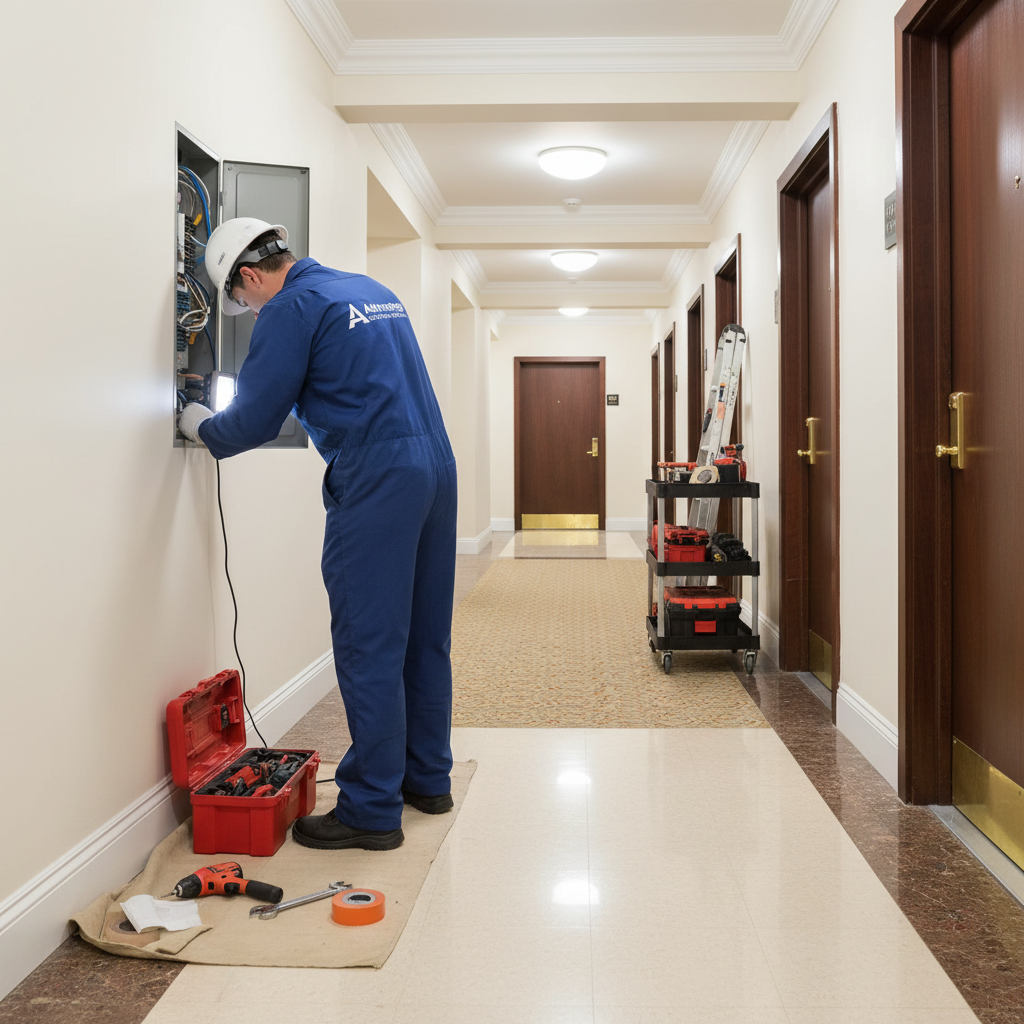
Advantage Service Group’s maintenance programs help property managers identify issues early, reducing emergency calls and extending equipment life.
Use Historical Data to Predict Future Costs
HVAC spending becomes more predictable when property managers track system performance, repair trends, and seasonal usage patterns. For DC-area buildings, historical data often reveals recurring issues tied to older systems, inadequate control strategies, or building envelope challenges.
Budgeting best practices include:
- Reviewing past 3–5 years of HVAC expenses to identify predictable cycles
- Forecasting replacements using equipment age and condition reports
- Tracking energy bills to identify inefficiencies that may require upgrades
- Comparing system performance across multiple sites to benchmark improvements
Plan for Capital Equipment Replacement
Most HVAC equipment has a 10–20 year lifespan depending on usage and maintenance. DC’s dense urban environment and older infrastructure can accelerate wear, making proactive capital planning essential.
Property managers should:
- Create a rolling 5-year HVAC capital plan that updates annually
- Evaluate heat pump upgrades where electrification incentives apply
- Budget for code-driven replacements instead of waiting for failures
- Seek utility rebates and federal incentives to offset costs
Advantage Service Group helps clients evaluate equipment conditions and prioritize investments aligned with building performance goals.
Leverage Smart Technology for Predictable Spending
Smart HVAC solutions are becoming essential tools for DC property managers looking to stabilize budgets. These technologies reduce waste, increase efficiency, and provide real-time insights.
Budget-friendly smart upgrades include:
- Smart thermostats with zoned scheduling
- Remote monitoring systems to reduce onsite troubleshooting costs
- Automated alerts that flag problems before larger repairs arise
- Energy dashboards to track performance across multiple properties
FAQ
How much should property managers in DC budget for HVAC annually?
Most properties should reserve 10–15% of expected annual operating expenses for HVAC, depending on equipment age and building size.
Does DC’s BEPS program affect HVAC budgeting?
Yes. BEPS often requires efficiency upgrades, smart controls, and performance improvements, all of which should be accounted for in long-term budgets.
How often should HVAC systems be inspected?
Twice per year is standard—once before cooling season and once before heating season.
What’s the biggest budgeting mistake property managers make?
Failing to plan long-term replacements and relying too heavily on emergency repairs, which cost significantly more over time.
How does Advantage Service Group help with budgeting?
We provide condition assessments, maintenance programs, capital planning guidance, and upgrade recommendations tailored to DC-area compliance requirements.